Canton, Georgia / North Georgia

Learning Guide & Project Educator.

I help children move from uncertainty into meaningful participation through relationship, structure, inquiry, and work worth doing.

I am an experienced elementary educator, teacher trainer, and curriculum builder with a background in public, charter, private, early childhood, and upper-elementary classrooms. I work best where children are known well, learning is active, and adults have room to respond to what students show.

I am open to the right classroom, Christian or private school, microschool, homeschool co-op, enrichment program, project studio, teacher-development role, or responsive learning community in North Georgia.

The kind of setting I am looking for.

This portfolio shows the conditions where my experience is most useful: learning environments where children can think, make, explore, discuss, repair, and grow.

Microschool or co-op

A small learning community that needs an experienced adult to guide projects, writing, discussion, routines, and meaningful work.

Project studio

A place where older children can build worlds, investigate questions, design solutions, present work, and learn through action.

Relationship-rich classroom

An upper-elementary or middle-grade environment with clear standards, strong routines, active learning, and enough flexibility to respond to the children in the room.

What I bring

  • 21 years of teaching and educator experience across public, charter, private, early childhood, and upper-elementary settings.
  • Georgia elementary and middle-grades certification fields, with experience across a wide range of learners.
  • Project-based learning, inquiry, discussion, writing, science, story, music, and integrated curriculum experience.
  • Teacher training and curriculum coordination rooted in development, observation, and responsive practice.

Where I contribute best

  • Small classes or teams where students can be known well.
  • Standards-based learning with room for inquiry, projects, and adjustment.
  • Communities that value dignity, faith, wonder, belonging, and development.
  • Roles where broad classroom experience and teacher leadership both matter.

The students I tend to serve well.

My work is strongest with children who need learning to become visible, relational, active, and real.

Curious but restless

Students who need movement, making, story, challenge, and a reason to care about the work.

Bright but disengaged

Students who can think deeply, but shut down when learning becomes only compliance or repetition.

Unsure but reachable

Students who need a smaller first step, a trusted adult, and a classroom culture where trying is safe.

What we could build.

These are practical formats I can teach, adapt, or help develop with the right school, family group, founder, church, library, or learning community.

Wonder Lab

A weekly project class where students research, build, write, present, and reflect around a living question.

Build a World

Writing, maps, science, math, culture, ecology, and story combined into one deep creative project.

Learning Studio

A small-group environment for homeschool or microschool students who need structure, community, and meaningful work.
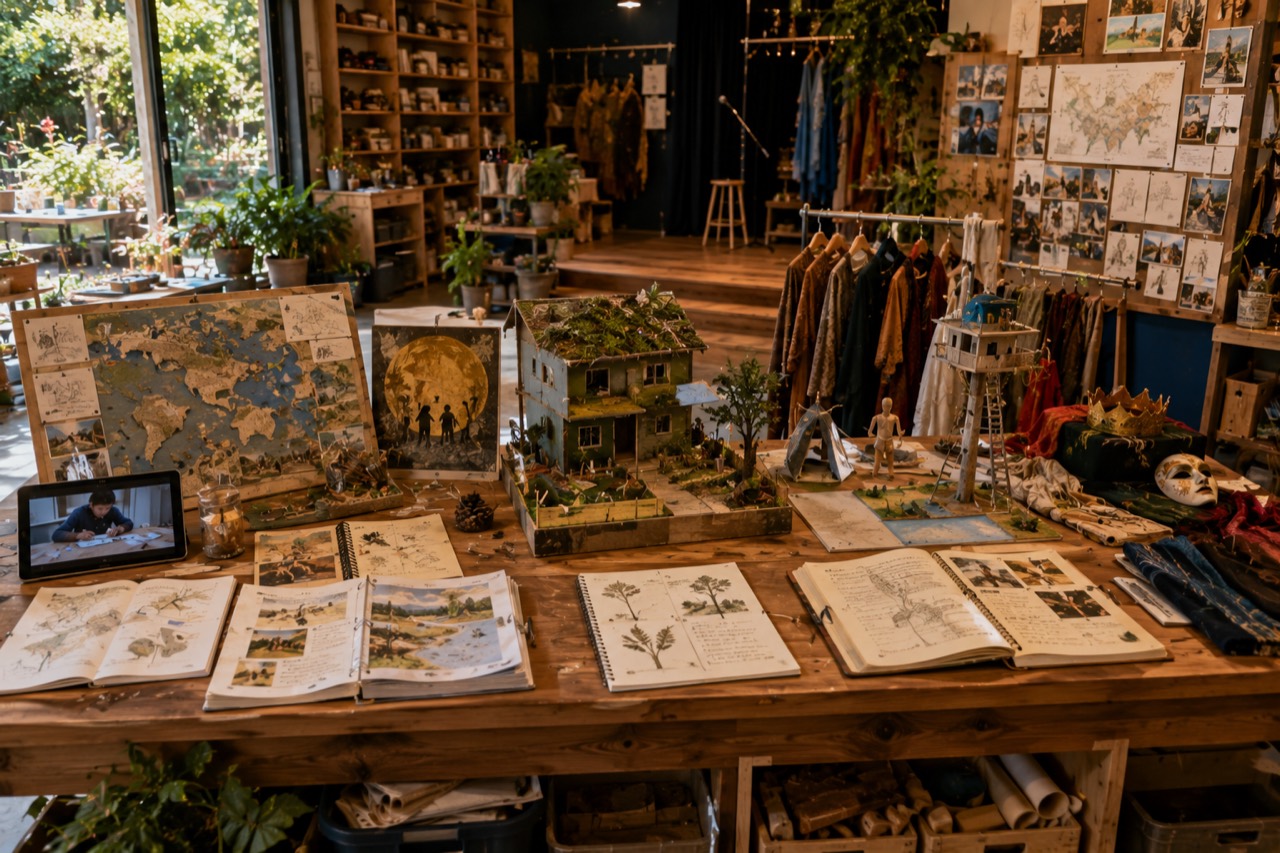
The basic question is simple: what would a learning gym for older children look like if it trained curiosity, courage, attention, collaboration, and real thinking?
A project table with maps, models, notebooks, tablets, costumes, sketches, natural materials, and finished student work

Finished work should leave evidence.

The goal is not decoration. It is a room where thinking becomes visible through maps, models, writing, performance, documentation, tools, and careful revision.
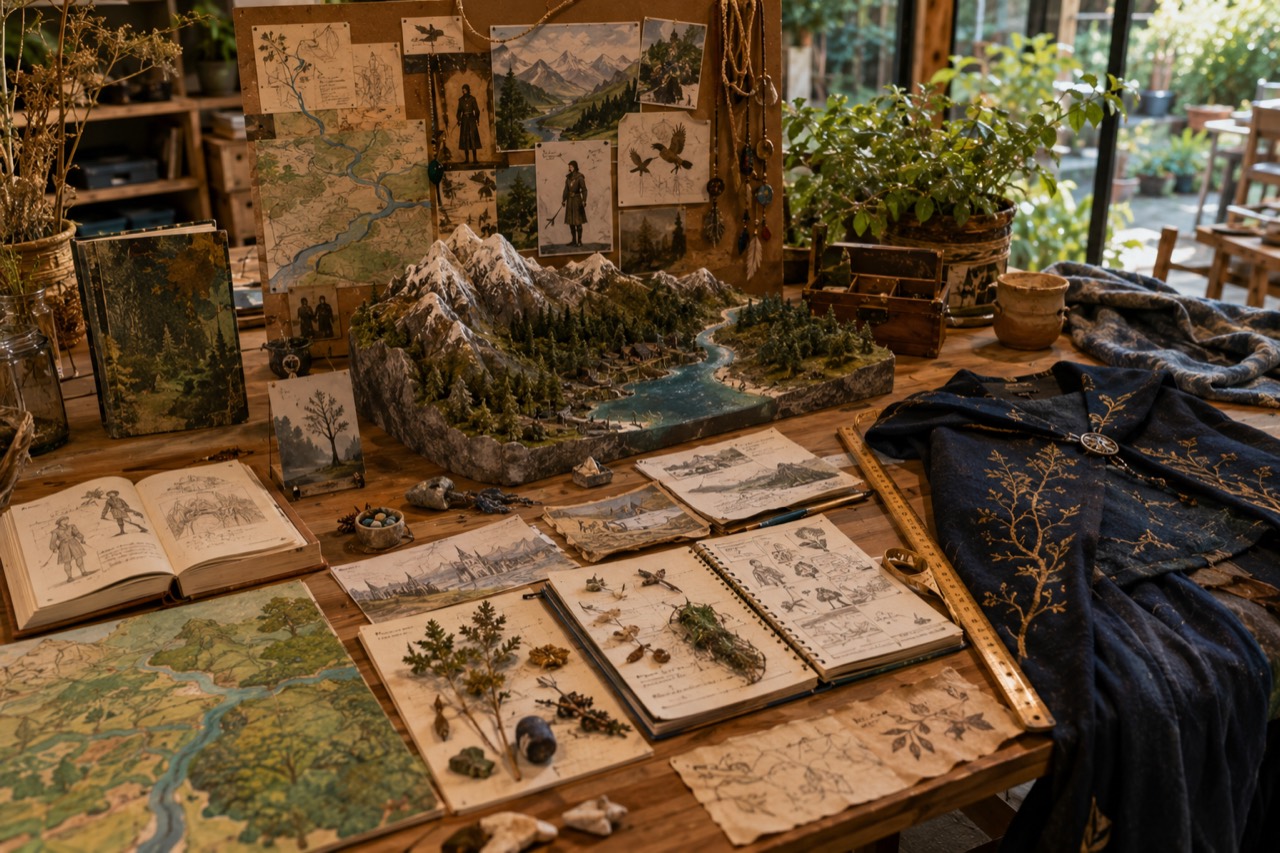
  • Students research and make.
  • Standards become material, not just assignments.
  • The room holds the story of the work.
A deep interdisciplinary project with a mountain model, maps, journals, sketches, fabric, costume material, plants, and natural objects
Deep projects can combine story, geography, ecology, writing, measurement, design, performance, and reflection.

Exhibition changes the work.

When children know their work may be shared, explained, performed, revised, and questioned, learning becomes more than completion.

A public ending gives the project dignity.

I am interested in learning environments where students prepare something worth showing: a model, performance, argument, field guide, demonstration, story, map, or working solution.
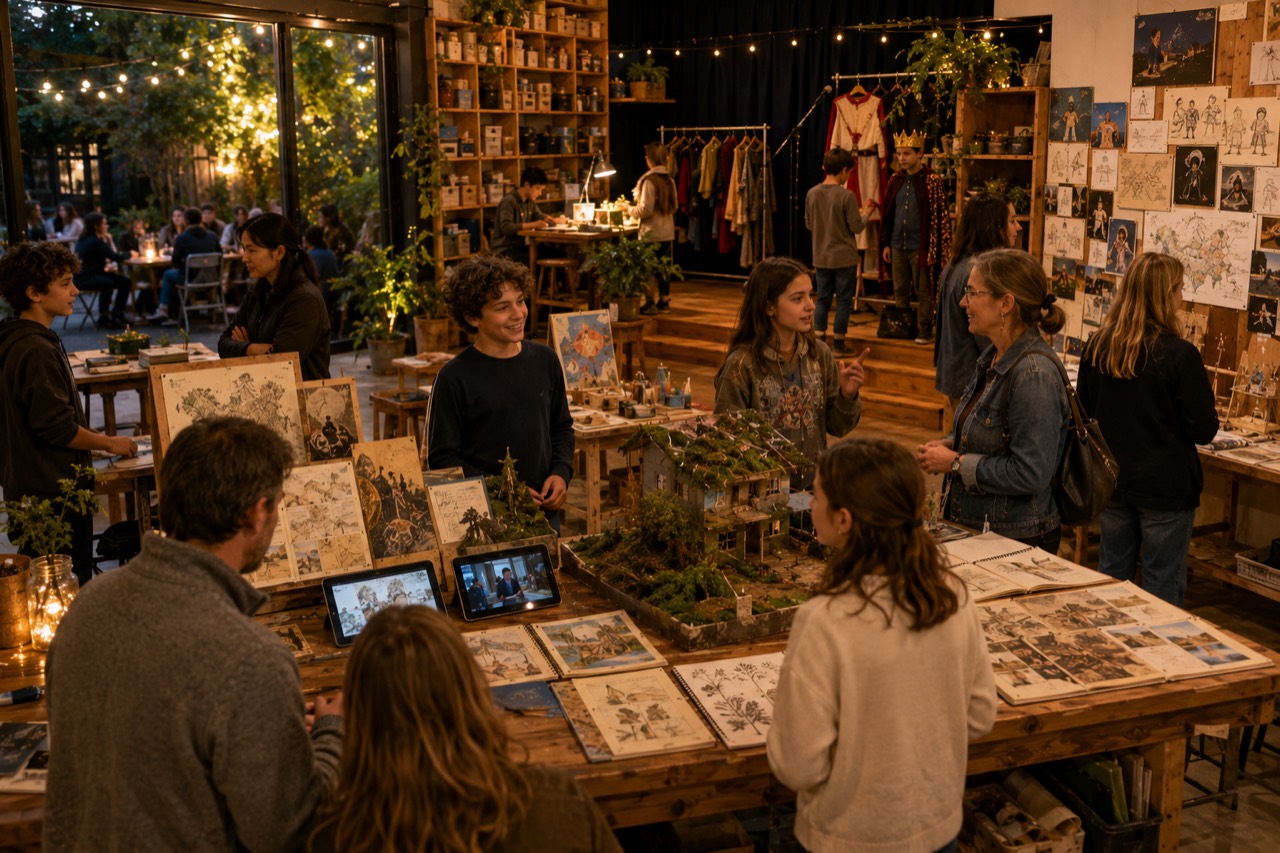
  • Students practice explaining what they made and why it matters.
  • Adults see process, not only a grade.
  • The next question opens from the work itself.
A project-based learning exhibition where students discuss finished work with adults and peers

Evidence I can bring into the conversation.

Some evidence belongs publicly. Some should be shown privately because student privacy matters.

  • Public resume available here; tailored application materials are available for specific roles.
  • Examples of project-based teaching, inquiry work, classroom design, teacher training, and curriculum coordination.
  • Private classroom project video available only in protected conversations, with student privacy respected.
  • Compass Education tools and teacher-facing materials that show how philosophy becomes usable practice.
21years teaching and educator experience
P-8Georgia elementary and middle-grades fields
K-8early childhood through middle grades
Trainerteacher training and curriculum support

Building something for children?

If you are hiring an experienced educator or building a school, microschool, homeschool co-op, project-based studio, enrichment program, or small learning community in North Georgia, I would be glad to talk.